
About
/
↑ PHOTO CREDIT: Tom fitzgerald
Holding Space | Spring 2025
"To reimagine is to explore a vision of a relationship, community, and world where we all flourish. Reimagining means that we’re doing more than resisting our opponents. We are looking at the cultures that radicalize them and institutions that authorize them. This is the moment to declare what is obsolete, what can be reformed, and what must be reimagined. Reimagining focuses us not just on what we are fighting against, but the future that we are fighting for.”
- Valerie Kaur
These were some of the final words of wisdom that I shared in my commencement speech at Minneapolis College of Art and Design last month. They felt a fitting call to graduates embarking on this annual rite of passage in a time in which so much feels in flux.
As I wrote the speech, I thought of a recent conversation with a colleague. We discussed how the events of these times will disrupt many carefully laid—and often long-anticipated—plans, interjecting further uncertainty about the future. (Anyone else impacted by the fallout from the National Endowment for the Arts’ recent grant terminations and reprioritization?!) We both acknowledged that the eventual outcome of such plans—let alone our understanding of what's possible—may radically change as the very ground we stand on is in the process of shifting. How do we plan a strategy/program/place in the midst of all of that?
It's a question that many are trying to answer, including me! As I puzzle my way through, I’ve been thinking a lot about Japanese microseasons. The traditional Japanese calendar divides the year into not only 4 seasons but also 72 microseasons. Lasting only 5 days, each microseason, or kō, is associated with specific rituals, foods, flowers, and festivals. This newsletter’s release straddles "Praying mantises hatch” and "Rotten grass becomes fireflies.” The concept is not unique to Japanese culture; in the US, many Indigenous cultures have names for the seasons, lunar months, and/or moons. To do any of these ways of marking time justice, I would need multiple newsletters to describe them in full. But for now, what stands out is their granularity and place-based nature. They speak to the idea of noticing what’s happening in the world around us and to the constancy of change.
In a time marked by a greater speed and scale of flux, big and loud events often consume most of our attention. Executive orders. Funding freezes. Catastrophic firestorms. It’s not that these events don't deserve our attention, but as the microseasons show us, seasonality is more than the first buds of spring. It’s about every change on the way to the bud opening, and all the ways the bud continues to transform after it opens. In between the big moments, there are always smaller actions happening that are also deserving of our attention.
Due to the climate crisis, the kō is increasingly out of alignment with the current reality of the seasons. Temperature shifts are disrupting both the time and appearance of the things that the kō speaks to. The familiarity of what we know is no longer in sync with what is.
Such a dissonance can often be a place of discomfort, and discomfort can often be a place from which we feel the urge to flee. But as embodiment expert, therapist, and activist Prentis Hemphill has remarked, discomfort can also be a place of deep learning. It can tell us something about who we are, what we value, and what we long for.
Recently, I've been in a couple of conversations with clients and collaborators when points of tension arose. Each time, we took care to notice the tension, made space to talk about it, and didn’t rush to find a solution if more time was needed to sit with what was present. When so much in the world feels like it's upended and moving at warp speed, the ability to notice, engage, and be deliberate is essential work.
My fascination with microseasons isn’t just a nerdy rabbit hole. To me, they offer lessons in attunement and what becomes possible with that presence: a way to be in relationship with the constant change and to calibrate both our agency and our actions accordingly.
Living in a time of great flux is hard, but it’s also an invitation. As Valerie Kaur’s invocation suggests, when the old way of being no longer works, it’s time to reimagine. It’s why I closed the commencement address with words from the always salient James Baldwin: "The world is before you, and you need not take it or leave it as it was when you came in.”
Take good care,
Liz Ogbu
Designer, Spatial Justice Activist, Grief Worker
Founder + Principal, Studio O
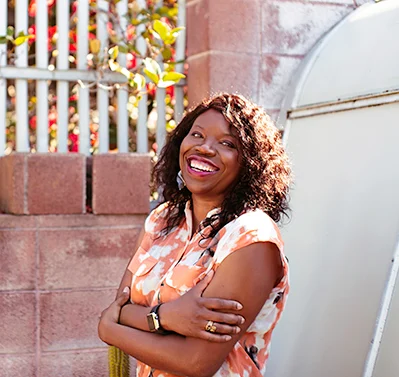
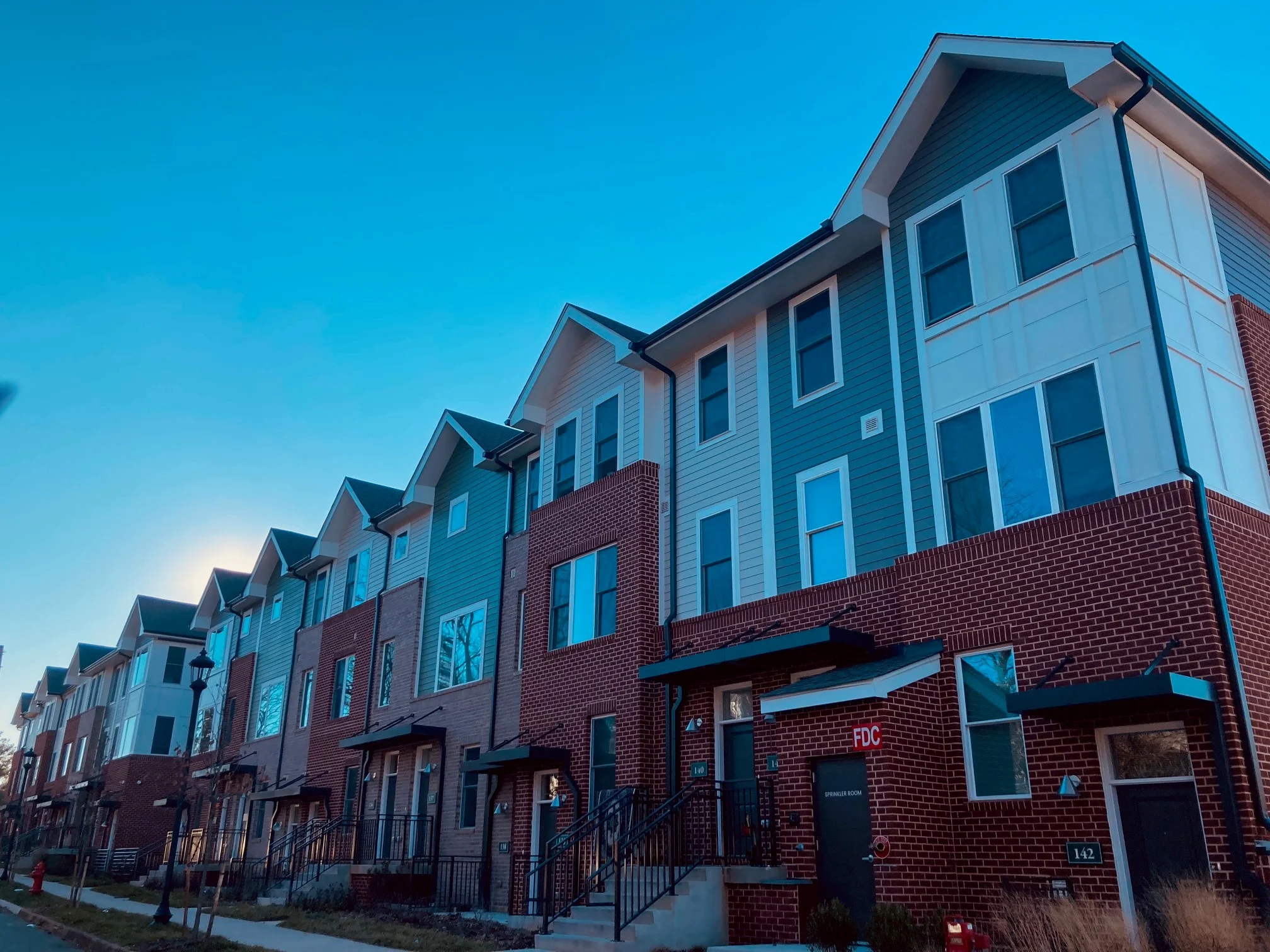
Image by Piedmont Housing Alliance
Our long-term collaboration with Piedmont Housing Alliance and Kindlewood residents continues with the launch of a Resident Association Working Group (RAWG). The RAWG is a resident-led effort to co-design a new Resident Association for the redeveloped Kindlewood community. Made up of diverse residents from across the property, the RAWG will define the structure, priorities, and purpose of the new association. The process builds on Kindlewood’s legacy of resident leadership and is designed to center resident voices. In the months ahead, the RAWG will also engage the broader resident community to ensure the association reflects the needs and aspirations of all who call Kindlewood home. Stay tuned for updates.
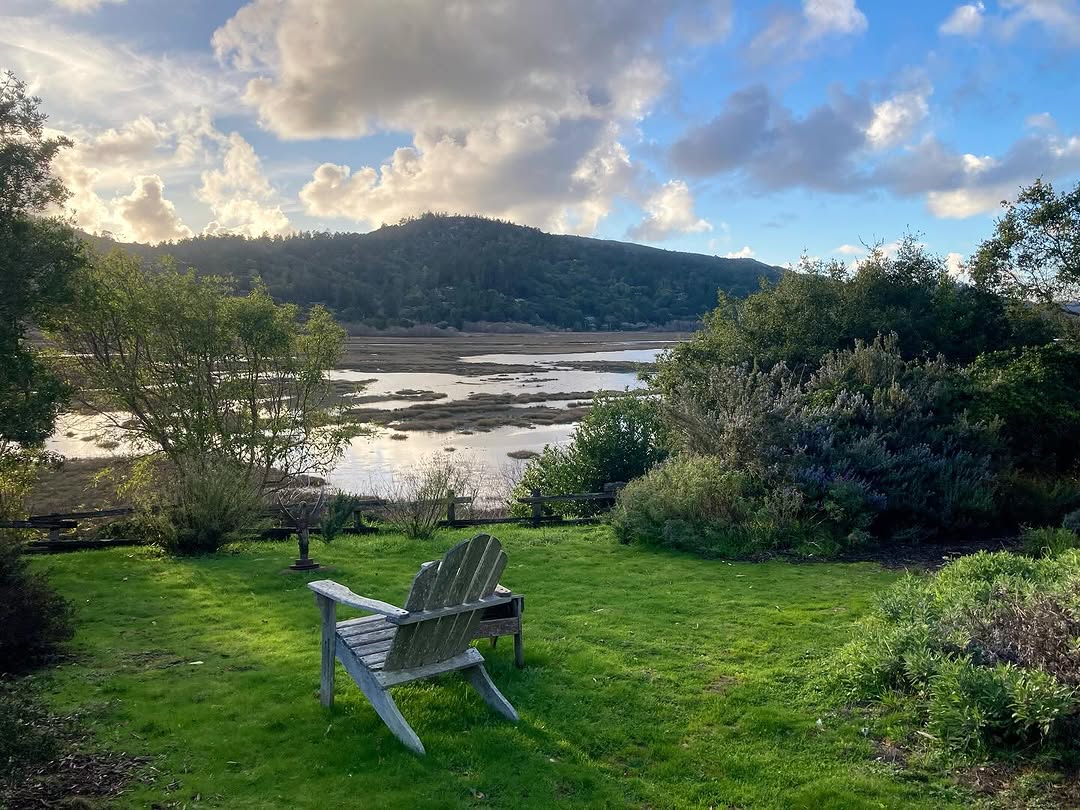
Image by Mesa Refuge
Liz Ogbu has been selected for the 2025 Mesa Refuge Residency, a program that has supported more than 1,000 writers and activists focused on “ideas at the edge” of nature, social justice, and economic equity. Additionally, Mesa Refuge selected Liz as this year’s Manzanita Fellow for Racial, Economic, and Environmental Justice. During her residency, Liz will focus on developing her writing and projects that explore place-based grief. Learn more about Mesa Refuge here.
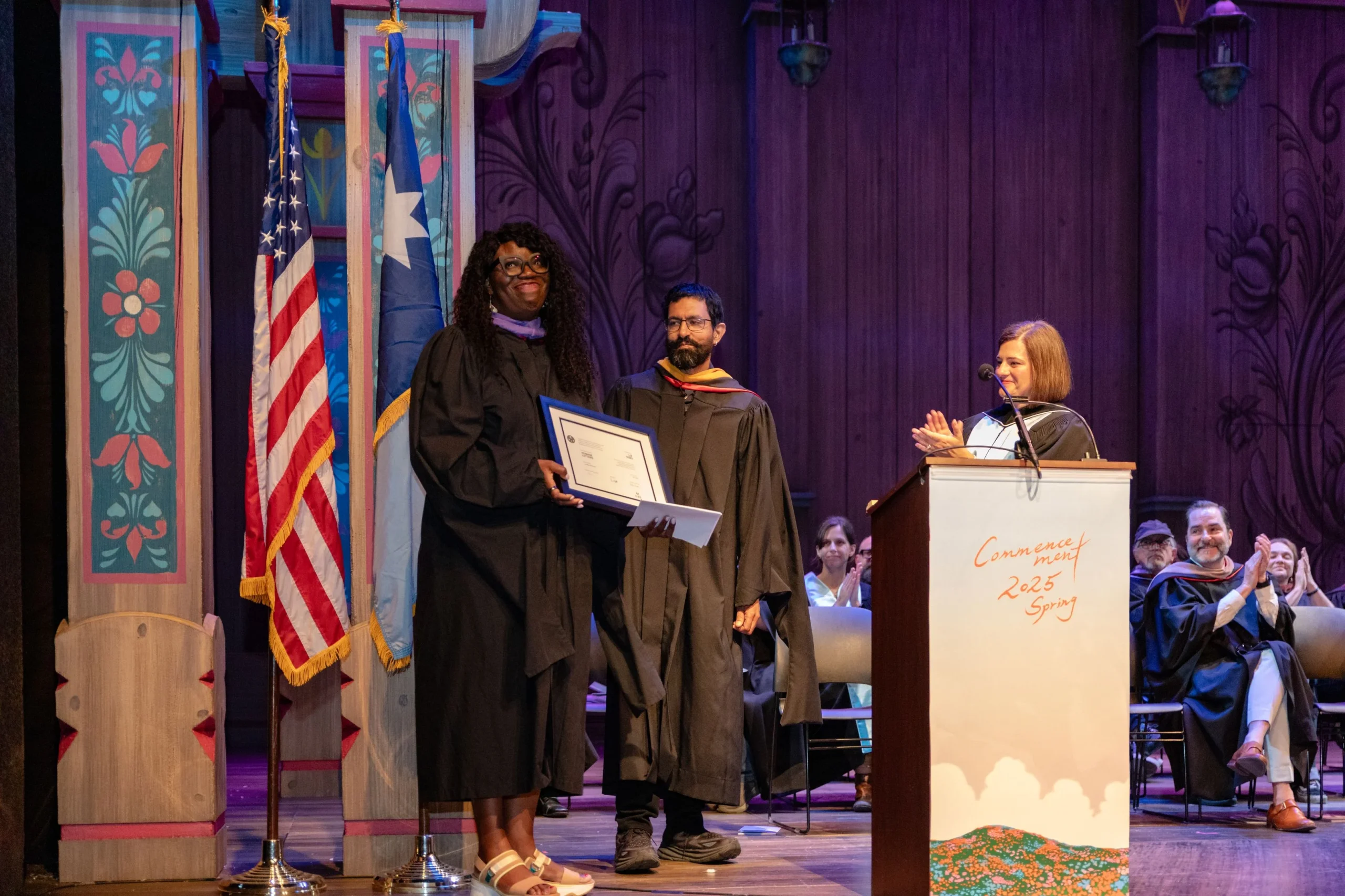
Image by Nicholas Lents
At its Spring 2025 commencement ceremony, the Minneapolis College of Art and Design awarded Liz Ogbu an honorary doctorate in recognition of her impactful work at the intersection of design and spatial justice. Liz also delivered the commencement address, sharing reflections and insights about the challenges and opportunities of being cultural workers in a time of great instability. Listen to her full commencement address here (starting at 1:38:08).
In case you want to explore the ideas that underpin our work further, you can always view previous newsletters, find more media and more resources on the website!
Sign up for our mailing list to stay up to date with Liz and Studio O
Privacy Policy - COPYRIGHT LIZ OBGU / STUDIO O 2023-2026


Before you go… If this conversation resonated with you, I’d love to continue it.
Holding Space is an occasional newsletter exploring design, justice, grief, healing, and the work of creating possibility.


